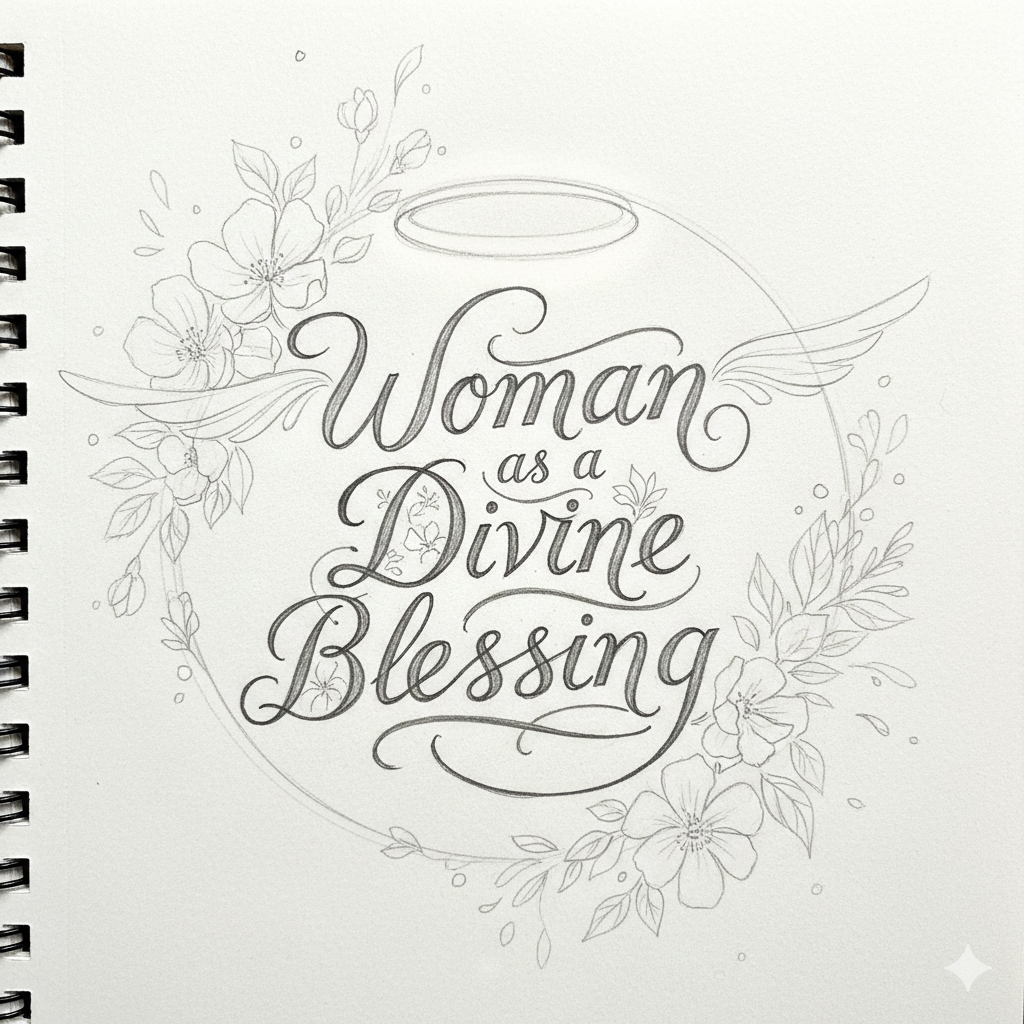
From the earliest chapters of human history, women have struggled for dignity, recognition and rights. Across civilisations, they were subjected to degradation, abuse and physical and moral cruelty. It was Islam that emerged as a moral force against these injustices, dismantling oppressive customs and restoring honour to women. Challenging man-made hierarchies, Islam elevated women from marginalisation to dignity and recognised them as equal human beings.
Before the advent of Islam, women’s status across societies was largely defined by subjugation. In Roman society, a woman lived under the authority of her father (before marriage) and her husband, thus possessing neither legal autonomy nor economic identity. Greek and Athenian women were confined to domestic spaces, excluded from civic life and personal freedom. In the Indian subcontinent, a woman’s worth was measured by her obedience to male relatives, while widows in certain traditions were compelled to undergo the brutal practice of self-immolation. Even early Christian thought often portrayed women as morally inferior, valued more for physical appearance than intellect or agency. No civilisation or belief system of the time offered women a status comparable to that granted by Islam. Islam fundamentally overturned these injustices by affirming the spiritual equality of men and women. The Quran makes no distinction between male and female in moral responsibility, holding every individual accountable for their deeds. This principle of spiritual equality formed the basis for broader social justice, defining women’s place within society.
As daughters, women were granted protection and dignity at a time when female infanticide was widespread among pre-Islamic Arabs. The Quran condemns this inhumane practice. Prophet Muhammad (PBUH) denounced such acts unequivocally and promised Paradise to those who raised daughters with care, compassion and fairness. His own conduct was exemplary and full of respect. He would stand in honour when his daughter, Bibi Fatima (AS), entered the room, showing the reverence Islam accords to women. As mothers, women were placed at the centre of compassion, love and moral responsibility. The Quran repeatedly emphasises kindness towards parents, giving special attention to the sacrifices borne by mothers. The Prophet’s (PBUH) saying that “Paradise lies beneath the feet of the mother” encapsulates the elevated status of motherhood in Islam. When asked who deserved the greatest care, he replied “your mother” three times before mentioning the father.
Within marriage, Islam presents women as partners rather than possessions. The Quran describes spouses as a source of peace and comfort for one another, created from a single soul. Women are recognised as equal participants in marital life, entitled to respect, affection and security. In his Farewell Sermon, the Prophet (PBUH) declared that the best among men are those who treat their wives with kindness. Islam rejects coercion and abuse within marriage, affirming women’s rights to dignity, protection and privacy. Islam also grants women independent legal and economic status. Women possess the right to inheritance, ownership of property, employment and business. These provisions affirm women’s autonomy and reinforce their role as active contributors to economic and social life.
In essence, Islam offers a comprehensive framework for the dignity, security and empowerment of women. It does not merely acknowledge women’s rights; it safeguards them through moral, social and legal principles that remain relevant across time and cultures. In Pakistan, the struggle for women’s rights continues to evolve, as legal institutions increasingly engage with these issues by drawing connections between Islamic teachings and modern notions of justice. Financial inclusion for women in Pakistan remains limited, with only a small proportion having access to formal financial services. This restricts economic independence and weakens women’s bargaining power within households and society.