

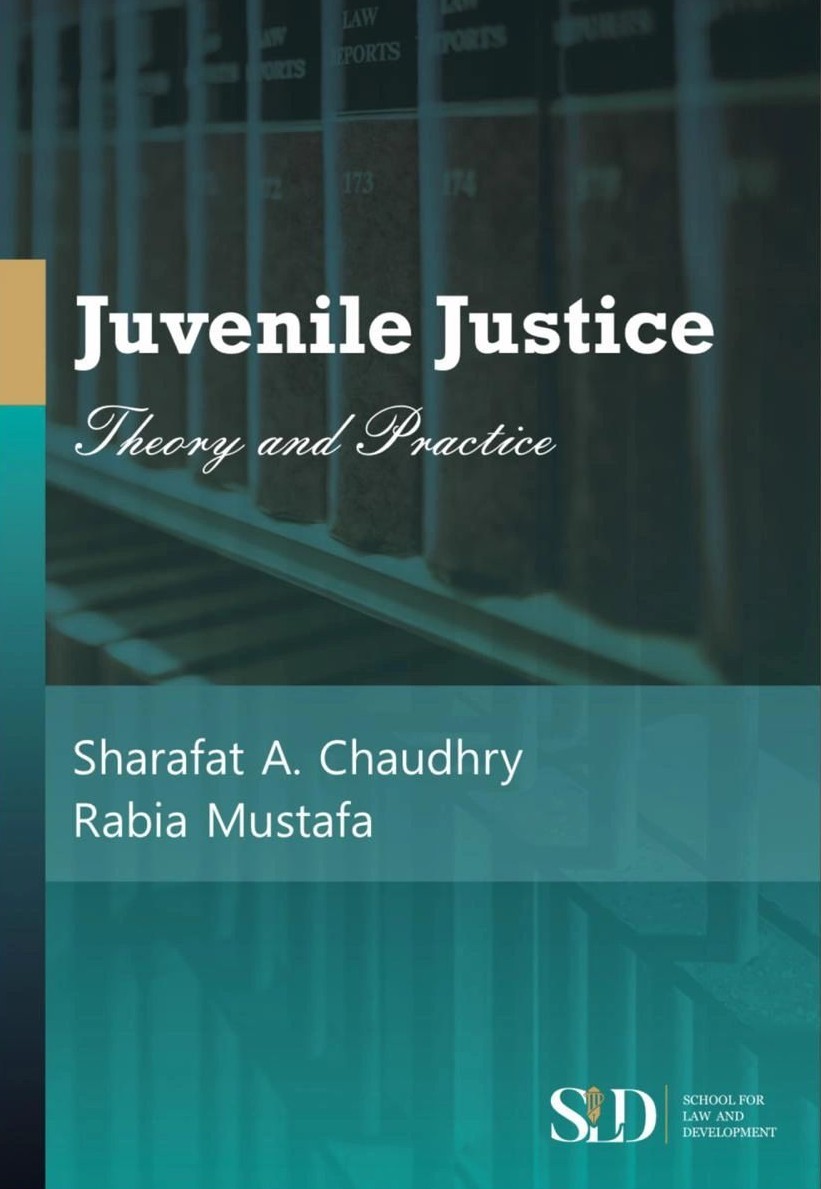
What does society truly mean when it labels someone a “juvenile”? Is it simply a matter of age, or does it reflect a deeper understanding of childhood, development, and vulnerability? Juvenile Justice: Theory and Practice addresses these questions with depth and clarity, challenging readers to rethink assumptions about children in conflict with the law.
The book begins not with procedure or punishment, but with inquiry. It examines juvenile delinquency not merely as the commission of an offence by a minor, but as a complex social phenomenon shaped by poverty, trauma, broken relationships, peer influence, and structural inequality. It questions whether the logic of adult deterrence and punishment can fairly apply to adolescents whose brains, judgment, and impulse control are still developing. Drawing on history, the book explores how societies once treated children as miniature adults, subjected to harsh penalties without regard to age or development. From the Classical School’s focus on rational choice to the Positivist School’s examination of biological and environmental influences, the book contextualizes theories of crime while probing their relevance to juvenile behavior. It also engages with psychological and sociological perspectives, exploring how trauma, neglect, cognitive development, and emotional instability influence decision-making.
In addressing the modern context, the book highlights how digital connectivity, cybercrime, urbanization, and migration have transformed the landscape of juvenile delinquency. It raises pressing questions: if society evolves, should not the juvenile justice system evolve alongside it? The work encourages readers to consider reform not just as a legal or procedural exercise, but as a response rooted in understanding the child as a whole. Juvenile Justice: Theory and Practice stands out for its interdisciplinary approach, drawing insights from legal, historical, psychological, sociological, feminist, and international perspectives. By the end of its first chapter, it becomes clear that just and effective juvenile justice requires first understanding the child—socially, emotionally, and developmentally.

About the Author:
Sharafat A. Chaudhry is an Advocate of the High Court and the founding partner of HSU Advocates, as well as the founding Chairperson of the School of Law and Development. An internationally accredited mediator and expert in alternative dispute resolution, he has represented over 1,000 clients in matters ranging from service and labour law to civil, criminal, and constitutional law. Sharafat has contributed to major legislative reforms in Pakistan, including the Juvenile Justice System Act, 2018, and provincial Child Protection Acts, and serves as a teacher of international law, human rights, and criminal law at judicial academies and universities.
He can be contacted at sharafat.adv@gmail.com