ISLAMABAD: Speakers on Thursday discussed ways to strengthen institutional protections for women during a virtual meeting of the OIC Ombudsman Association (OICOA). The meeting focused on promoting gender-responsive governance across member states.
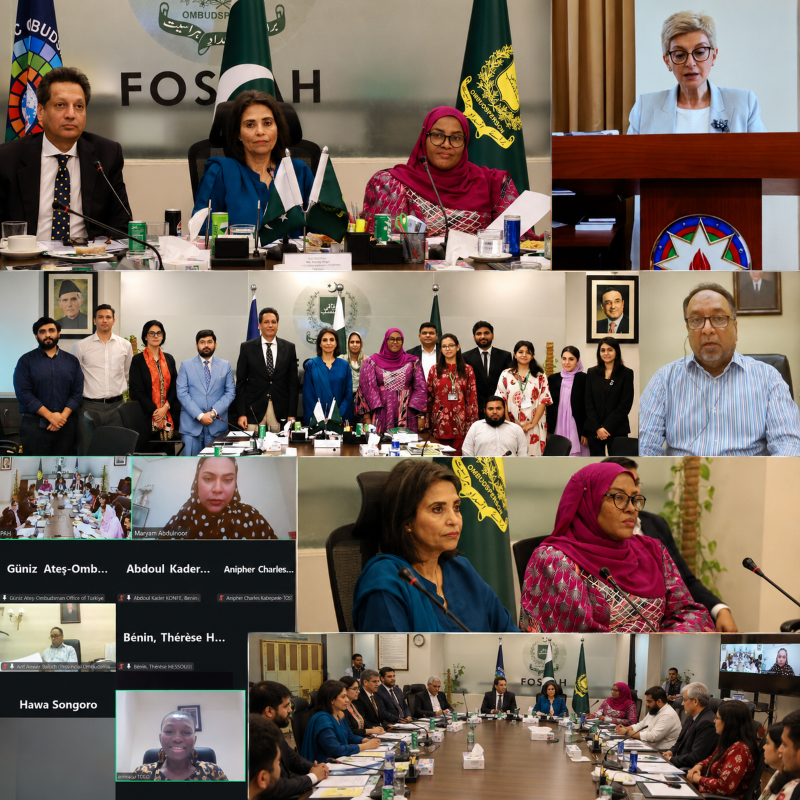
The OICOA held the Second Meeting of its Sub-Committee on Women’s Rights virtually on Thursday. The session marked a significant step toward strengthening institutional protections for women. It also aimed to promote gender-responsive governance across member states.
Fauzia Viqar convened the meeting. She serves as Federal Ombudsperson for Protection Against Harassment (FOSPAH) in Pakistan. Under her chairmanship, the session brought together heads of ombudsman institutions. Senior delegates from Iran, Türkiye, Azerbaijan, Togo, Bahrain, and Benin attended.
Representatives from the Ombudsman Offices of Punjab and Khyber Pakhtunkhwa also joined. Delegations from Tanzania and Rwanda participated as observers.
The OICOA Sub-Committee on Women’s Rights serves as a dedicated platform. It works to harmonize legal frameworks among member states. It also strengthens grievance redress mechanisms and advances gender justice. The meeting focused on enhancing cooperation on women’s rights. Participants also discussed effective institutional responses to gender-based discrimination and workplace harassment.
FOSPAH presented a comprehensive diagnostic compendium during the session. The document offers a comparative analysis of legal and policy frameworks across OIC member states. It identifies existing gaps in protections for women. It also proposes pathways for harmonizing institutional mechanisms to safeguard women’s rights and economic opportunities.
Almas Ali Jovindah, Executive Secretary of OICOA, praised the initiative. He said the compendium goes far beyond a static inventory of regional laws. He called it an evidence-based blueprint, adding it illustrates how member states operationalize administrative justice.
Jovindah highlighted innovative practices in the document, including technology-enabled protection mechanisms, legislative reforms addressing gender-based violence, measures to enhance women’s political participation, and improved access to justice.
Harerimana Fatou addressed the participants and reaffirmed Rwanda’s commitment to gender equality. She noted that Rwanda has implemented gender-responsive budgeting at all levels of governance. She stressed the importance of eliminating barriers to girls’ education. She called for greater collaboration among OICOA member states. She recommended this collaboration should expand educational opportunities for women and girls.
Participants exchanged experiences during the deliberations. They discussed national laws, administrative practices, and collaborative approaches to improve accountability. They analyzed complaint trends and evaluated existing redress mechanisms. They also identified legal and policy gaps that continue to hinder women’s access to justice and equal opportunities.
Fauzia Viqar delivered the concluding remarks and emphasized the need for ombudsman institutions to respond quickly, fairly, and accessibly to women. She underscored the importance of identifying shortcomings in existing policies. She stressed that institutional frameworks must effectively protect women from discrimination and harassment.
She reaffirmed Pakistan’s commitment to advancing women’s rights. She stated that Pakistan will continue to use its expertise through the OICOA Sub-Committee platform. She said the country will advocate for structural reforms. She added that Pakistan will strengthen legal protections and promote the dignity, equality, and economic empowerment of women across OIC member states.