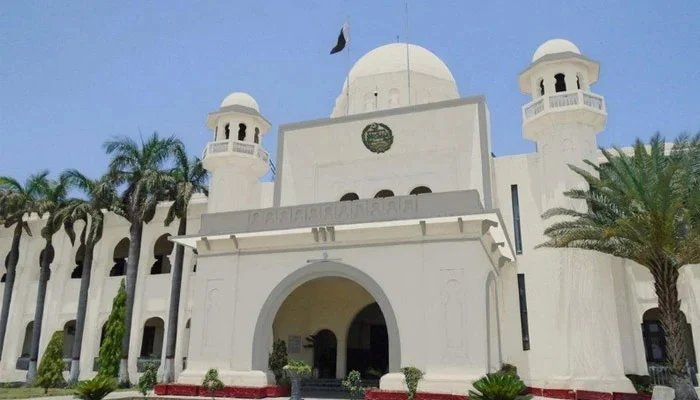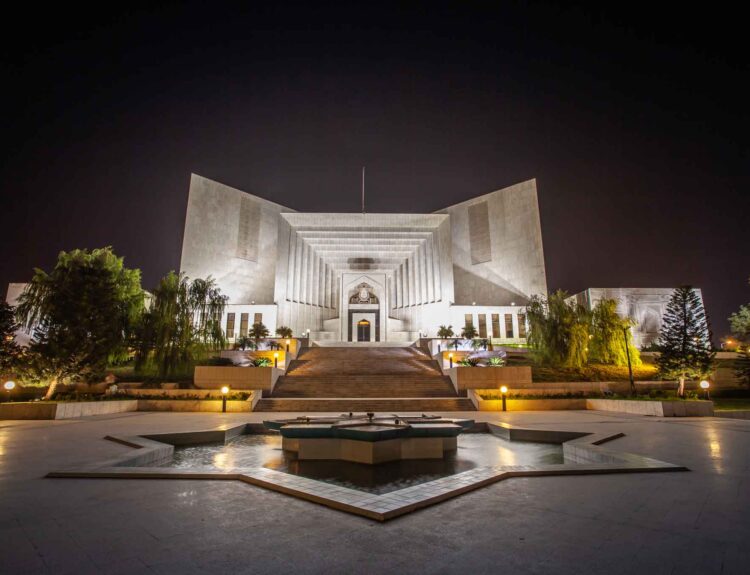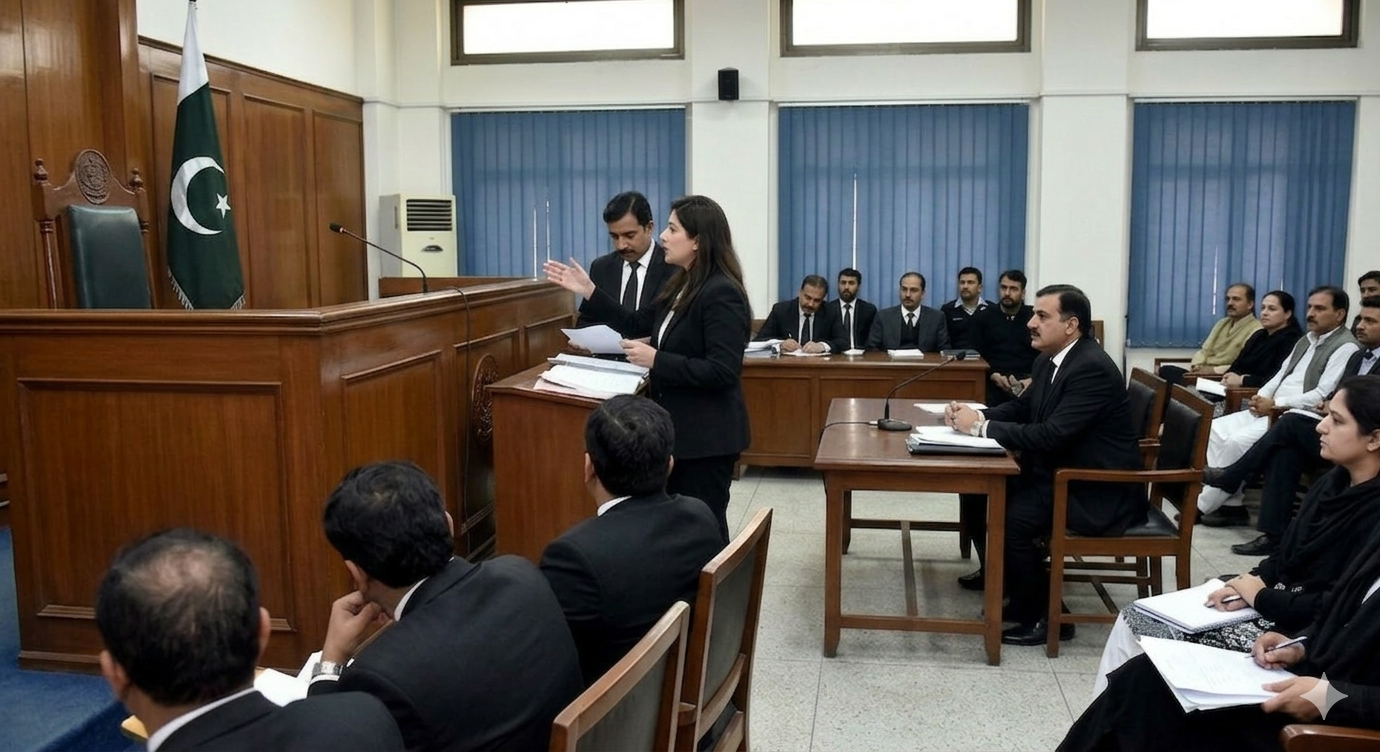
LAHORE: Partially allowing a writ petition challenging the Federal Investigation Agency’s (FIA) authority to conduct roving inquiries into tax officials without prior departmental approval, the Lahore High Court has ruled that the Agency is not competent to initiate proceedings against Inland Revenue Service (IRS) officers for acts performed in their official capacity without mandatory prior approval from the Federal Board of Revenue (FBR).
A single-member bench of the Justice Tariq Saleem Sheikh declared that the FIA cannot initiate investigations against officers of the IRS for acts performed in their official capacity unless it first obtains mandatory prior approval from the FBR as stipulated under Section 227(2) of the Income Tax Ordinance, 2001 (ITO) and Section 51(3) of the Sales Tax Act, 1990 (STA).
The Court emphasised that these statutory safeguards are not mere procedural formalities but substantive, mandatory protections designed to prevent harassment and reinforce institutional discipline within the revenue administration framework. The dispute arose after the FIA Anti-Corruption Circle, Lahore, initiated Enquiry No. E-77/2024, issuing broad notices and executing a search warrant to seize five years’ worth of income and sales tax refund records from the Large Taxpayers Office (LTO), Lahore.
While the FIA maintained that it was investigating serious allegations of corruption and kickbacks against LTO officers, the petitioner, Deputy Commissioner Inland Revenue Abdullah Zulfiqar, contended that he was compelled under duress to disclose confidential taxpayer information, thereby exposing himself to personal criminal liability under Section 198 of the ITO for breaching statutory secrecy obligations.
Justice Sheikh held that Abdullah Zulfiqar qualified as an aggrieved party under Article 199 of the Constitution, as the FIA’s coercive actions imposed a concrete personal legal injury and a tangible threat of penal consequences upon him. This distinguished his case from a separate petition filed by an FBR Member in a supervisory capacity, which was dismissed for want of locus standi. A 13-page verdict further censured the FIA’s methodology, characterising the demand for voluminous records without identifying specific taxpayers, NTN numbers, tax years, or fraudulent transactions as an unlawful roving inquiry.
The Bench noted that neither the ITO nor the STA is included in the Schedule to the FIA Act, meaning the agency lacks inherent statutory jurisdiction to investigate tax assessment and refund processes that are governed by their own specialised adjudicatory regimes with dedicated appellate hierarchies. Although the FIA sought to justify its actions under Section 25 of the Anti-Money Laundering Act, 2010 (AMLA), the Court ruled that this provision cannot be invoked as an independent source of investigative authority in the absence of a clearly identified predicate offence under the AMLA’s own Schedule.
Consequently, the Bench quashed the impugned notices and the search warrant dated 23 July 2024, directing the FIA to immediately return all seized original records to the LTO Lahore. The agency was strictly prohibited from retaining any copies or derivative records thereof, and was further directed that any information obtained in violation of Section 216 of the ITO shall not be utilised in the pending enquiry.
While the Court clarified that the FIA is not permanently barred from initiating fresh proceedings, it must first satisfy all applicable jurisdictional requirements and secure the FBR’s prior approval before doing so. Should an institutional deadlock arise regarding such approval, the judgment directed the parties to seek resolution through the consultative mechanism provided under Rule 8(2) of the Rules of Business, 1973, via the Prime Minister’s Office.