ISLAMABAD: Administration of justice in Pakistan is at a pivotal crossroads as judicial leaders work to integrate Alternative Dispute Resolution (ADR) into the mainstream legal framework.
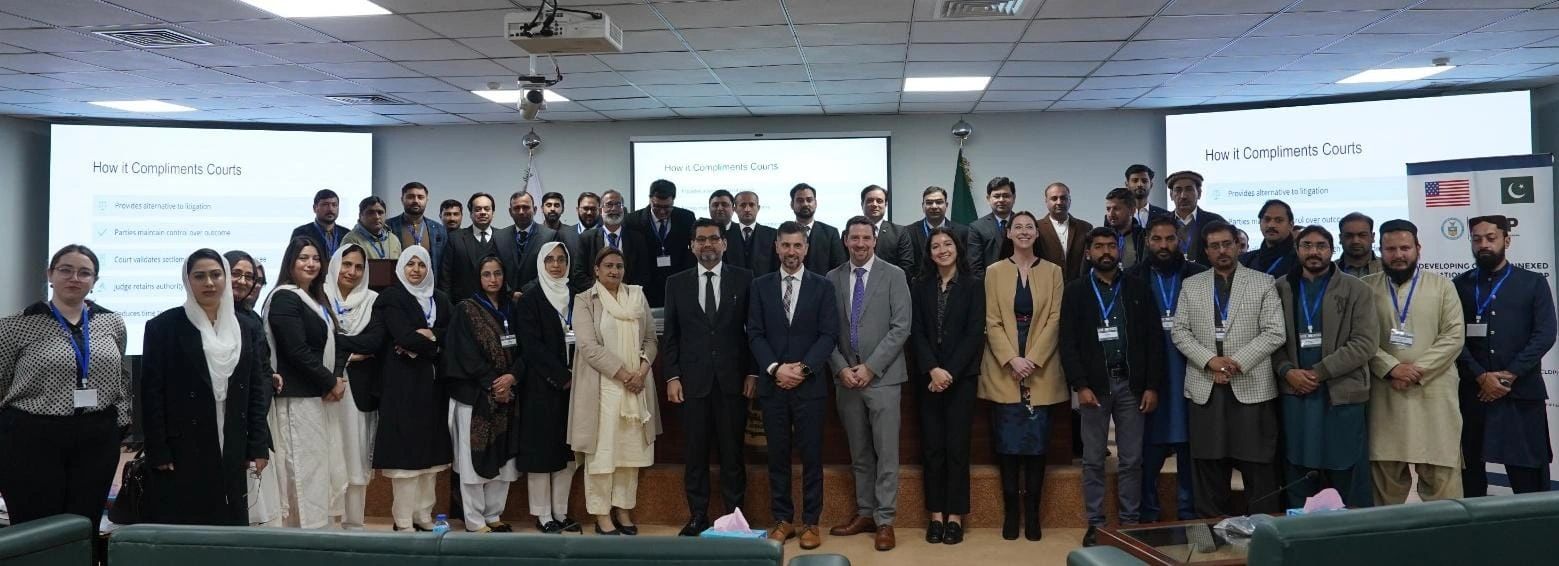
While traditional litigation remains the primary mode of settling disputes, there is a growing, concerted effort among judicial stakeholders to inculcate ADR approaches to modernize the system. In this context, a high-level workshop titled ‘Developing Court-Annexed Mediation Pilot Project’ was recently held at the Federal Judicial Academy (FJA), Islamabad, marking a significant step toward embedding mediation into the formal litigation process.
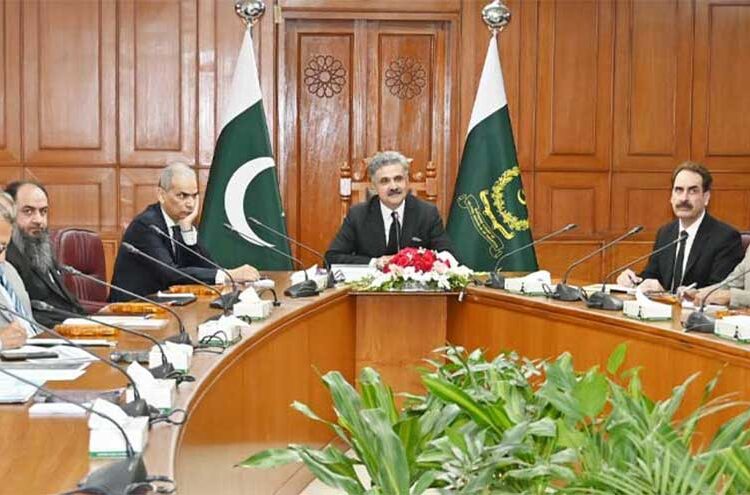
The initiative, organized by the U.S. Department of Commerce’s Commercial Law Development Program (CLDP) in collaboration with the Islamabad High Court (IHC), sought to bridge the gap between current court practices and the potential of mediation. Judges form Islamabad High Court including Justice Arbab Muhammad Tahir, Justice Khadim Hussain Soomro, and Justice Muhammad Azam Khan attended the session as Chief Guests, their participation signaled the High Court’s leadership in championing these reforms and reflected a firm commitment to exploring mediation as a vital, supportive function of the judiciary.
The program focused on the gradual advancement of court-annexed mediation as a timely, consensual, and people-centered approach. Through interactive and practice-oriented sessions, judicial officers and IHC staff engaged in comprehensive discussions regarding prevailing litigation practices and the structural shifts required to institutionalize mediation. Participants analyzed the Court’s preliminary steps in this direction, identified the cultural and systemic barriers that currently hinder effective mediation, and developed practical, forward-looking strategies to strengthen the framework. This workshop serves as a key building block in the ongoing effort to transform mediation from a peripheral option into a reliable judicial tool. Mediation offers unique benefits that the participants are eager to introduce to the Pakistani legal landscape. Primarily, it offers a path toward greater speed and efficiency, providing a potential remedy for the procedural bottlenecks that often delay court cases for years. By avoiding the complexities of lengthy trials and extensive legal documentation, mediation significantly reduces the financial and emotional burden on litigants. Furthermore, the process ensures a level of confidentiality and relationship preservation that traditional adversarial litigation rarely provides.
In a society where community and family ties are deeply valued, the “win-win” nature of mediation offers a way to resolve conflicts without the social fragmentation that often follows public court battles. The successful inculcation of this mediation pilot project holds the potential to create significant ease in the lives of the Pakistani public. By creating a structured pathway for civil and commercial disputes to be settled through consensus, the judiciary aims to eventually reduce the immense backlog of cases currently pending in the courts.
This shift represents a move toward “people-centered justice,” where the legal process becomes less intimidating and more accessible to the common citizen. It empowers individuals to become active participants in their own resolutions, fostering a sense of ownership and satisfaction with the justice system. Ultimately, these efforts align with the vision of the Alternative Dispute Resolution Act, 2017. By creating a practical roadmap through pilot projects like this, the judiciary is working to ensure that the spirit of the law is translated into everyday court practice.
While the transition to an ADR-inclusive system is a gradual journey, this initiative highlights how international technical assistance and local judicial leadership can work together to expand access to justice. As these practices take root, they promise to create a more harmonious legal environment where disputes are resolved not just by decree, but through mutual understanding and cooperation.