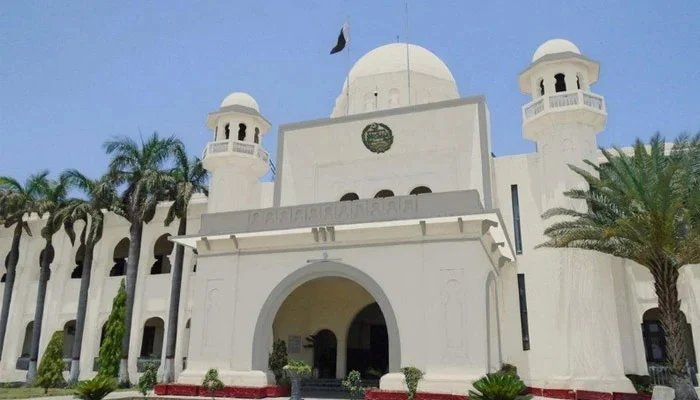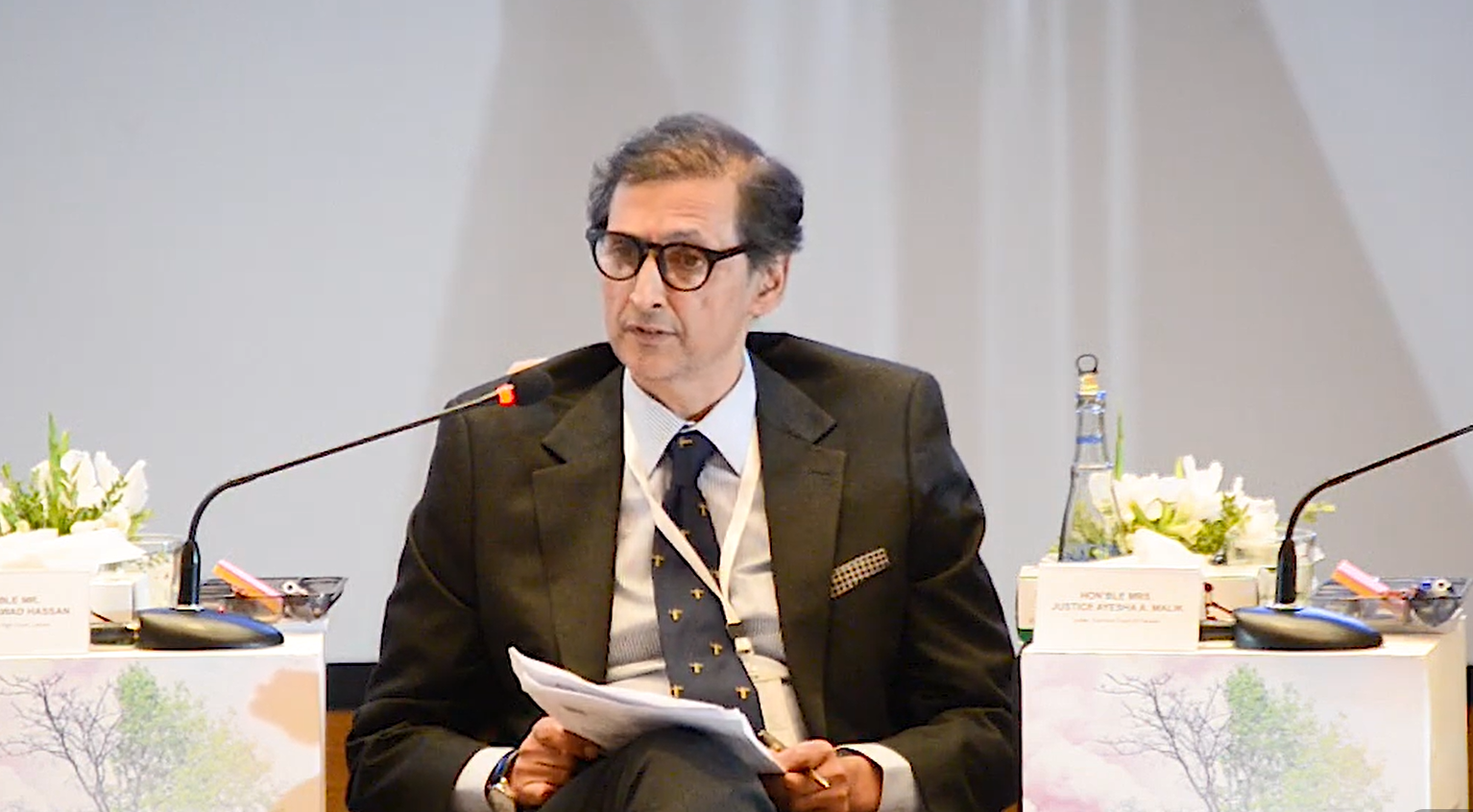
RAWALPINDI: Mediation – a process in which a mediator facilitates communication and negotiation to help parties reach a mutually acceptable agreement – took centre stage on Wednesday as Justice Jawad Hassan of the Lahore High Court (LHC) Rawalpindi Bench invoked its statutory force under the Alternate Dispute Resolution Act 2017, aiming to resolve an issue that has spanned generations.
While adjudicating a long-contested matter, Justice Hassan issued directives to military authorities and local landowners to use mediation to settle their decades-old dispute over Shamsabad land acquired in the early 1980s and the compensation claims tied to the Ojhri Camp incident, giving both sides a three-month deadline to conclude the process. The petitioners pleaded saying although the military acquired around 250 kanals in Shamsabad for defence purposes nearly four decades ago, the land was later converted to commercial use and the Panorama Shopping Centre was constructed on it. They contend that neither fair compensation nor the agreed settlement was ever provided.
The petitioners also apprised the court that the dispute is intertwined with claims of residents displaced after the 1988 Ojhri Camp explosion, who insist that the federal government and military authorities had acknowledged their losses but did not finalise compensation despite repeated surveys and commitments. During the proceedings, Advocate Supreme Court Sardar Muhammad Ghazi argued saying the petition had been moved under Article 199 of the Constitution to secure an amicable resolution of disputes relating to the acquired land, particularly the determination of fair market compensation.
He submitted a prolonged litigation had distressed the claimants, who were now willing to settle the matter outside court through structured mediation. The court confronted the petitioners’ counsel on the maintainability of the fresh petition when the parties were already engaged in a mediation mechanism pursuant to an order of June 30, 2025 in response to an earlier petition. Advocate Ghazi acknowledged that almost 90 per cent progress had been achieved in the mediation process but at the same time he pointed out crucial aspects, particularly the finalisation of compensation rates in line with prevailing DC rates, remained unresolved.
He sought the court directives for another round of meeting specifically to address this standing issue. Appearing on behalf of the respondents, Advocate Ch. Muhammad Arif Sindhu argued that the parties had previously agreed to continue mediation only if all pending writ petitions were withdrawn. However, one petition had been intentionally kept pending and the instant petition had also been filed despite that understanding.
He nevertheless conceded that there was “no objection” to convening an additional meeting to facilitate an amicable resolution. Sindhu also highlighted the central role played by Lieutenant-General Mohammad Zafar Iqbal, Commander of the Pakistan Army Air Defence Command, who had been actively supervising and facilitating the mediation process. After brief hearing of the matter, Justice Hassan directed the authorities to convene a meeting to resolve the remaining issues and submit the outcome before the court. He further ordered that the entire mediation exercise be completed strictly in accordance with the law, with meetings held at a time and place convenient for the respondents.
Before concluding, the judge formally appreciated the “proactive engagement” and facilitation of the air defence commander in pursuing an amicable out-of-court settlement, observing that such efforts reflected the spirit of cooperative dispute resolution. In 2012, the LHC had directed the Ministry of Defence to either vacate the land or compensate the owners, but the decision was never implemented, leading to continued litigation and renewed efforts for mediation.