

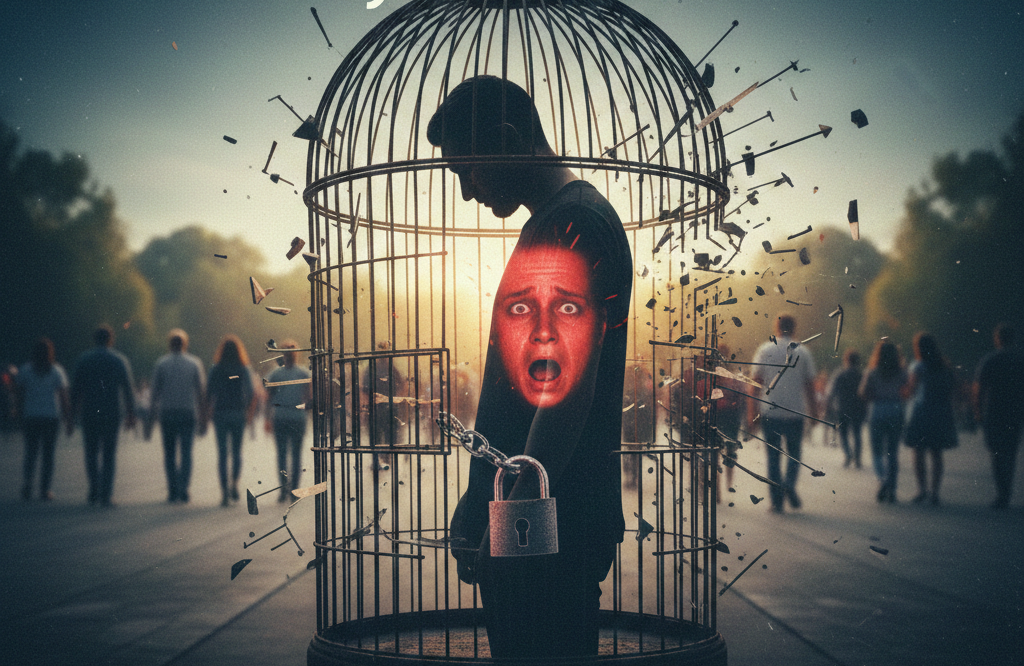
The language of physical illness is plain and honest; the language of mental illness is the language of shame. Considering this phenomenon, a profound question arises: Why is it easier to talk openly about ailments like fever, diabetes, or heat diseases than whispering about depression, anxiety, or trauma? How many of us have instinctively hidden our emotional scars, paralyzed by the fear of social scrutiny? The weight of requesting support often seems to eclipse the very pain we carry. Why do families fear society’s judgment more than the silent suffering of their loved ones? And most importantly, how have we allowed the pursuit of wellness to become more terrifying than the suffering it seeks to alleviate?
These pressing questions uncover a painful truth: Mental health is not just an issue; it is still a silent crisis.
The Wall of Silence: Fear, Secrecy, and Parental Shame
In our communities, mental struggle remains ignored, misunderstood, or worse—denied. Too often, people hesitate to take the first step towards mental health support to heal. Many psychologists report that parents often approach them with hesitation and secrecy. They whisper, “Please don’t tell anyone about my child’s treatment.” They worry not about recovery, but about reputation. They fear how they and their child will face a cruel society and the narrow minds that label rather than understand. Out of fear—fear of judgment and stigma—people often avoid getting the help they desperately need.
Anatomy of Stigma: The Psychological Evidence
It is mandatory to consider how psychology and mental health professionals assess and address such challenges. Let’s first explore how stigma and stereotypes interfere with psychological treatment. Psychologist Patrick Corrigan’s “Social stigma study” explains that stigma about psychological issues is fueled by three powerful forces: the stereotypes we believe, the prejudices we feel, and the discrimination we act on. When people associate mental illness with weakness or danger, they unconsciously create barriers, laying another brick in the prison of silence. These obstacles prevent them from seeking support and healing.
The Vignette experiment by Kathryn Lester et al. showed that for problems like depression or self-harm, many teens were less likely to get help. This highlights how fear of judgment outweighs the desire to heal. Another study, conducted by Anthony Jorm and colleagues, found that many people felt embarrassed or afraid of negative reactions of others when seeking help, emphasizing the burden of self-stigma and perceived social stigma. The global impact of this barrier is staggering: the World Health Organization estimates that one in eight people globally live with a mental disorder, yet the majority never receive treatment.
Breaking the Bricks: The Antidote to Silence
Contrary to the context above, psychology reveals that proper education and connection can challenge stereotypes and stigma, supporting faster healing. On a more positive note, Vikram Patel and colleagues conducted school-based programs. Learning about mental health and meeting people with these experiences made students more understanding and open to seeking help. Interestingly, expressing one’s struggle can aid recovery. In a study, people who shared their experiences with family or friends improved their quality of life within six weeks. This suggests that disclosure, rather than secrecy, can positively influence the healing process. Every story shared is a brick torn from the prison of shame.
A Call to Action: Choosing Humanity Over Fear
In light of all this evidence—the stigma, fear, and lack of awareness – the question is no longer why we should act, but how soon we will. The pressing question now is: How should we act when confronted with a psychological challenge in anyone? First and foremost, whether facing our own struggles or supporting others, is to fully recognize and respect these feelings without blame or judgment. Real illness isn’t depression, anxiety, or trauma; it is the fear of admitting them. Never tell someone, after hearing their pain, “it’s not a big deal” or “others have it worse.” We don’t know how loud it echoes inside them. We must engrain in our minds and hearts that reaching out for support does not show fragility. It reveals the bravery to confront life’s challenges head-on and a bold step towards self-discovery. Every voice that speaks out breaks the chain of stigma. The silence is far from innocent – it stalls healing, magnifies suffering, and leaves scars that may never fade.
The global impact of this barrier is staggering: the World Health Organization estimates that one in eight people globally live with a mental disorder, yet the majority never receive treatment.
We must understand that we cannot thrive in isolation. Healing begins when we see ourselves in others. We must learn to be truly empathetic. When we see someone struggling, let us pause and ask ourselves, do they need help? Can I offer even a little kind gesture? Sometimes, a single moment of understanding can prevent irreversible damage to a life. After all, suicide is not a desire to die; it’s a desperate plea to quiet an inside pain no one can hear. We must create a world where seeking therapy for a child is not treated like a secret crime. Isn’t it heart-wrenching that families beg therapists to stay quiet about their loved ones’ psychological issues? They are scared of society.
Scared of me and you. It is an illusion that society is the problem. Because ultimately, we are that society that whispers behind closed doors, that calls pain a weakness and healing a shame. So, why do we keep asking, “What will people say?” When we are the people? If compassion sleeps within us and we don’t speak now, when and who will awaken this world? Education is the antidote to ignorance. When schools teach children about emotions and coping skills, when workplaces hold seminars on stress and mental wellness, when parents talk openly about therapy, we begin to normalize what was once feared. It’s not only the children who need to grow; parents do too.
It’s time to choose humanity over silence. It’s the time to make a vow that we will choose empathy over judgment and understanding over fear. Healing isn’t an individual journey; it is a collective responsibility. Let’s carve into our conscience this undeniable truth: “The greatest revolution does not roar outside in the streets, but in the minds that keep their voice alive amidst the shadow of suffering.”