

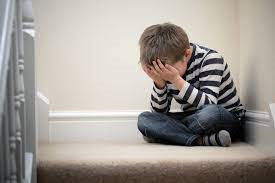
The suffering of child workers, especially in domestic households, is a harsh reminder of society’s failure to protect its most vulnerable members.
In Pakistan, many children face severe physical and mental abuse, with their pain often hidden beneath layers of social inequality and apathy. The tragic stories of Rizwana, a 14-year-old girl employed as a domestic caregiver, and Fatima Furiro, a young girl working in the house of a family in Khairpur, who faced physical torment – leading to death in Fatima’s case captured media attention.
However, many similar incidents go unnoticed as families fear losing their honour and social standing. This inhumane treatment demands strict laws and regulations to address the exploitation of child domestic workers.
Children aged between 10 and 15 often work in homes to support their families’ meager incomes. Instead of finding safety, they are met with cruelty. Two such cases stand out: Rizwana and Fatima, whose life was in misery. These examples are part of a much larger problem that requires immediate action.
Child labour in households exposes children to various forms of abuse, including overwork, starvation, physical punishment, and even sexual assault. Tragically, the perpetrators are often those who are meant to care for or employ these children.
The broader crisis of child sexual abuse further reflects the disturbing reality of our society. Reports estimate that over 12 million children in Pakistan are victims of child labour, with many at risk of sexual violence. Such abuse is not confined to poor or rural areas but occurs everywhere, including urban centres. Although laws like the Zainab Alert, Response and Recovery Act offer some hope, their slow implementation accentuates a lack of commitment from authorities.
Statistics alone cannot capture the trauma these children endure. Many families remain silent, fearing backlash or shame. This silence not only shields the abusers but also deepens the vulnerability of victims. Without addressing these societal barriers, legal protections will continue to fall short.
The roots of child exploitation in Pakistan are tied to poverty, illiteracy and patriarchal systems. Cultural norms treat domestic workers, especially children, as inferior and undeserving of rights. This power imbalance silences their cries for help and allows abusers to escape accountability.
Social media has brought some cases to light, sparking public outrage and calls for justice. However, the impact of online activism is often short-lived. Without sustained action from the government and society, these efforts risk becoming hollow displays of concern.
A comprehensive approach is necessary to combat this crisis. First, the government must enforce stricter laws against child labour and abuse, ensuring swift justice and severe punishment for offenders. Child protection services, including helplines and shelters, must be strengthened and made accessible nationwide.
Second, awareness campaigns should educate communities about the dangers of child labour and abuse. Families need to understand the importance of protecting their children. Schools and community centres should also teach children about their rights and how to report abuse.
Third, poverty alleviation programmes must address the root causes of child labour. Financial support and vocational training for low-income families can reduce their reliance on their children’s earnings.
Finally, proper coordination between the government, NGOs and international organisations can prove the linchpin. NGOs already play a key role in rescuing and rehabilitating child victims, but their efforts need more support to create lasting change. These efforts can enhance child protection measures and make certain sustainable reforms.
The stories of Rizwana and Fatima must not be forgotten. They are painful reminders of how society has failed its children. It is time to break the chains of exploitation and ensure every child grows up in safety and dignity. Without meaningful steps, we risk failing yet another generation of our children.
==