
OFTEN decades pass without any improvement in the status of women in Pakistan. Women in public roles — from social media influencers to politicians – are killed but no one is held responsible. And while ostensibly pro-women laws are passed, there is no enforcement — accusers who wrongfully allege adultery or men who beat their wives literally get away with murder. For many women, death is likely a respite from the abuse, strictures and thankless toil Pakistani society has heaped upon them.
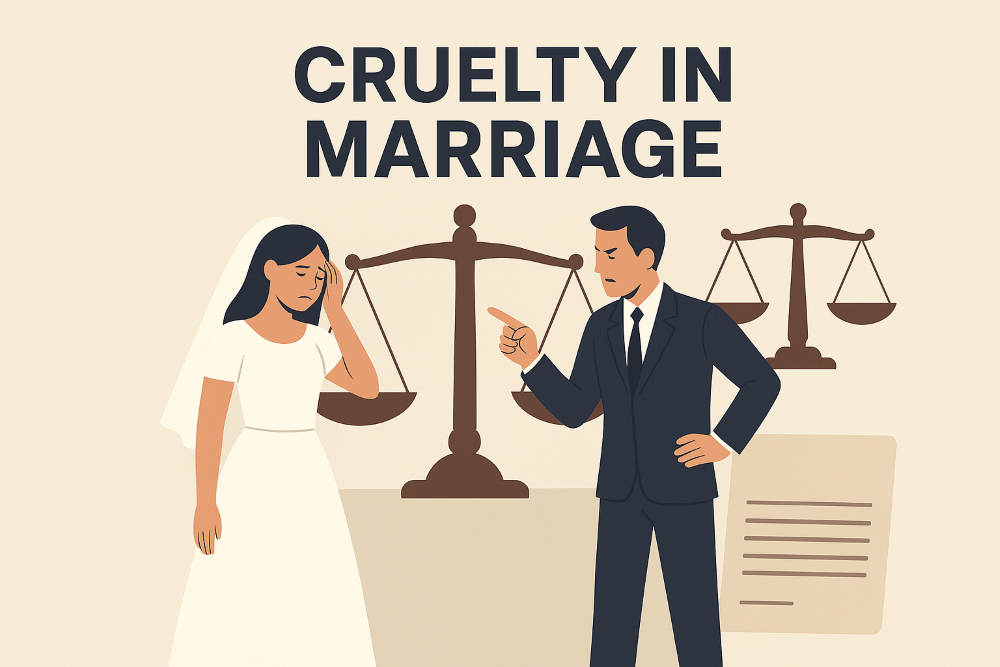
But there are days when hope arises. Last week, the detailed judgement by the Supreme Court’s Justice Ayesha Malik presented just such a remarkable moment. In a 17-page decision, Justice Malik made some landmark rulings, notably that cruelty in marriage, which can be grounds for dissolution, includes factors apart from physical abuse. Second, that a second marriage without a wife’s consent is grounds for dissolution as well.
The story begins in Peshawar, where a woman initially filed a case in the family court. After her rukhsati in 2016, the petitioner shifted to her husband’s house, where according to her, her husband and his family were regularly verbally and emotionally abusive towards her. She was slapped and bruised, but the family ignored it. Male domestic staff had access to her living quarters and she was also thrown before her husband’s pet dogs, which added to her fear. Even when the couple moved to their own place, the husband remained out with his friends until two or three in the morning. The wife said she often did not have enough food to eat and at one time had to have the police called so that she could leave. For his part, the respondent (the husband) insisted that the wife was only interested in her career and not in being a wife.
The husband took a second wife, after which the woman filed a suit for dissolution of the marriage in the family court. The abused wife had to leave the marital home. It was found that the family court did not assess the evidence as it should have. When people said that they had seen the physical injuries on the wife, it was ruled that they could not be believed because they had not been physically present during the beating. In her decision, Justice Malik bravely notes how the lower courts failed to accord proper weight to the wife’s statements in ‘determining’ that no abuse had taken place. Even worse, the Peshawar High Court, upheld this finding. Instead of dissolution, a khula was granted, “without her consent”. The family court initially wanted her to forfeit her dower – a plot of land, 30 tolas of gold and Rs500,000.
A landmark judgement provides a glimmer of hope for women.
In her landmark decision, Justice Malik noted first that a court cannot grant a khula without the wife’s consent. She indicates that the family court had erred by not dissolving the marriage and granting khula instead. She notes that “cruelty” which is the statutory requirement in the relevant law (Dissolution of Muslim Marriages Act, 1939) means not only physical violence but also “encompasses physical harm; such as slaps, beatings or assault, as well as mental cruelty, such as humiliation, verbal abuse, or unfounded allegations of unfaithfulness in a marriage; emotional cruelty, such as neglect or indifference; and, at times, the broader environment of the marriage, such as hostility in the home or oppressive behaviour by in-laws tolerated or encouraged by the husband”. Justice Malik recognises that in this case, cruelty, taking a second wife without permission and nonpayment of maintenance all constitute grounds for dissolution under the DMMA. The decision clarifies that if a husband does not obtain his wife’s consent for a second marriage he must petition the Union Council, which would then convene an Arbitration Council. It stands to reason that without this process, a second marriage would violate the law.
This judgement will hopefully make it easier for abused Pakistani women to obtain a dissolution, without forfeiting their rights to dower. In this case, the wife’s knowledge and bravery in not only knowing her rights but also in persisting in trying to get them are to be highly commended. Because of her and this ground-breaking decision, millions of women in Pakistan can stop being forced to accept khula when they are owed a dissolution due to their husband’s cruelty, neglect or second marriage. As the wedding season starts, all women and their relatives must emphasise the need to pay attention to the rights and clauses in nikahnamas, which are their legal and religious safeguards against abusive spouses.
——–
Rafia Zakaria- The writer is an attorney teaching constitutional law and political philosophy. rafia.zakaria@gmail.com