

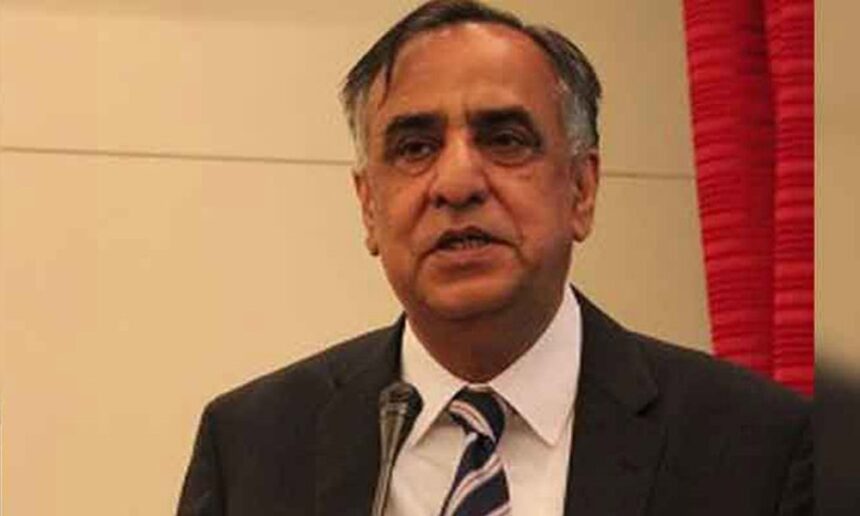
ISLAMABAD: While issuing findings and recommendations on a severe procedural anomaly, the Federal Tax Ombudsman (FTO) uncovered a major system error. Advance income tax collected via an electricity connection was wrongfully credited to the CNIC and tax profile of an unrelated individual. Consequently, the Ombudsman has directed the Federal Board of Revenue (FBR) to conduct a comprehensive probe and fix accountability for the mislinked records.
According to recomendations on Wednesday, the FTO has taken serious notice of an unusual case in which tax collected through an electricity connection was being credited against the CNIC/tax record of a person who was not the actual consumer of the electricity.
More significantly, the complainant himself identified the actual consumer to whom the electricity connection belonged. The matter raises a serious possibility that the arrangement may not be a simple case of erroneous data entry, but could represent a carefully devised mechanism whereby tax attributable to an actual electricity consumer is deposited against the record of an unrelated person, thereby enabling the actual consumer to remain outside the tax trail maintained by the tax authorities.
“Digital tax records are increasingly being used by the tax authorities for profiling, monitoring and enforcement. Any mechanism through which the tax liability of one person is systematically reflected against the CNIC of another can und.ermine the integrity of the entire data-based tax administration system”, says the FTO Zafar ul Haq Hijazi.
The FTO has directed the Federal Board of Revenue (FBR) to examine the matter comprehensively and determine how the CNIC of an unrelated person came to be associated with the electricity connection and whether the arrangement resulted in tax being incorrectly attributed to that person while the actual consumer escaped corresponding reflection in the tax record.
The Ombudsman has observed that such a mechanism, if established to be deliberate, could have implications beyond the individual complaint. It may indicate a novel method of defeating the tax authorities’ data-matching and monitoring mechanisms by shifting the tax trail of one consumer to the CNIC of another person.
The FBR has accordingly been asked to verify the complete record of the electricity connection, identify the person who actually consumed the electricity, reconcile the tax collected with the corresponding taxpayer record, and examine whether any collusion, manipulation or deliberate misuse of the system was involved.
The FTO has further emphasized that digital tax records are increasingly being used by the tax authorities for profiling, monitoring and enforcement. Any mechanism through which the tax liability of one person is systematically reflected against the CNIC of another can undermine the integrity of the entire data-based tax administration system.
The matter has therefore been viewed not merely as a grievance concerning incorrect attribution of tax, but as a potential systemic vulnerability requiring examination by the FBR so that similar instances, if any, may be detected and prevented.