Over 26 million out of school children in Pakistan is a significant educational challenge and the situation required immediate attention of the people at the helm of affairs to devise multi-pronged strategy in order to achieve Sustainable Development Goal 4 while ensuring inclusive and equitable quality education to promote lifelong learning opportunities for all by 2030.
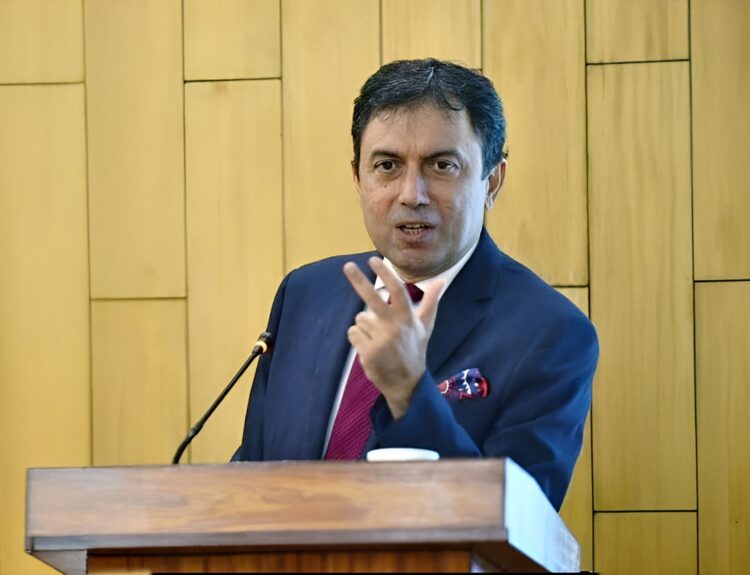
Speaking at an event organized in Islamabad on Friday by planning ministry in wake of International Day of Education 2025, themed “Bridging the Education Divide: Linking Education to National and Economic Development,” in Islamabad, Federal Minister for Planning, Development and Special Initiatives Ahsan Iqbal said, “Regional disparities, gender gaps, and socio-economic barriers further exacerbate the situation,”.
He pointed out critical challenges, including insufficient classrooms and infrastructure gaps, a shortage of 4,327 science teachers with pending posts at the federal finance level, and the need for improved teacher retention policies, especially in hard-to-reach areas. He said that to address these issues, planning ministry had launched Uraan Pakistan initiative, which had set ambitious goals, including achieving 100pc primary school enrollment, implementing a transparent teacher recruitment and transfer policy, digitizing education infrastructure through GIS mapping, e-transfer systems, and centralized dashboards, and developing a comprehensive national curriculum integrating AI and modern technologies.
Says over 26 million out-of-school children is one of the highest figures globally observed annually on January 24, the International Day of Education underscores the indispensable role of education in achieving global sustainable development.
It aligns with Sustainable Development Goal 4 (SDG 4), which emphasizes inclusive and equitable quality education and lifelong learning opportunities for all. This year’s global theme, “AI and Education: Preserving Human Agency in a World of Automation,” highlights the opportunities and challenges posed by artificial intelligence in the education sector. The event brought together key stakeholders, including representatives from the Federal Ministry of Education, Provincial Education Departments, Unesco , Unicef , NAVTTC, NGOs, and vice chancellors and principals of federal education institutions.
Antony Kar Hung Tam, Officer-in-Charge of the Unesco office in Pakistan, highlighted in his remarks the need for addressing gender and digital divides in Pakistan. During the event, the District Education Performance Index (DEPIx) was highlighted as a key initiative to enhance evidence-based policy making, resource allocation, and governance transparency in the education sector. The DEPIx serves as a performance evaluation framework designed to identify high- and low-performing districts for targeted interventions, encourage competition among districts to improve education delivery, support data-driven policy decisions, and promote accountability within the education system.
The DEPIx measures district performance across key indicators, including access and literacy, learning outcomes, financing, governance, use of IT, and equity, providing a comprehensive evaluation of the education landscape.
The School Education Department Gilgit-Baltistan (SED GB) has implemented several reforms to improve the education sector, such as the adoption of the Foundational Framework for Learning and Progress (FFLP 2024) to cover early childhood education to Grade 3, establishing school management committees to empower local communities in school operations, and introducing policies such as the Medical Hardship Policy and Hard Area Policy to retain teachers in challenging regions.
In his closing remarks, Minister Ahsan Iqbal reiterated that education is not merely a social service but a key driver of sustainable development and national prosperity. He emphasized that every dollar invested in education yields significant returns in economic resilience, competitiveness, and social cohesion. He highlighted that Balochistan holds vast untapped potential due to its rich mineral resources and underscored the need to align educational initiatives with economic development efforts, ensuring every district in Balochistan gains access to modern educational facilities.