Categories Courts

LHC Bars UoL from Overcharging Medical Students, Directs PMDC to Enforce Fee Cap

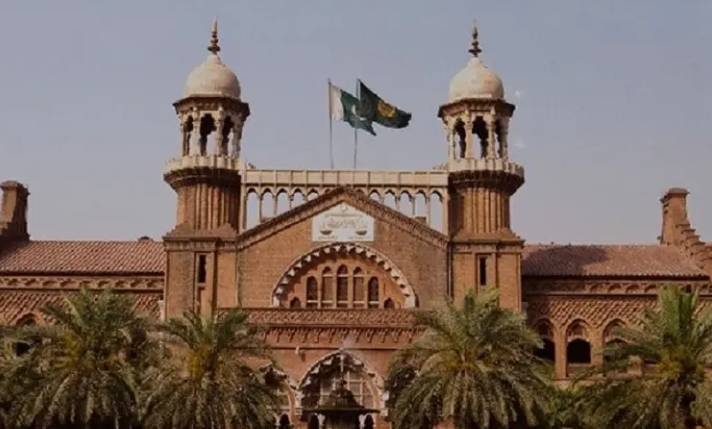
LAHORE : While issuing directives to the Pakistan Medical and Dental Council (PMDC) to ensure strict adherence to the notified fee structure in medical colleges, the Lahore High Court (LHC) on Thursday barred the University of Lahore from charging excessive fees from medical students.

The development came during the hearing of a petition filed by a citizen, Shehryar, who challenged the decision of private medical colleges to charge what he termed as exorbitant and unjustified fees from students seeking admission in medical programs. The petitioner argued that the excessive fee structure imposed a severe financial burden on students and their families and was in violation of the official notification issued by the competent authority.

A bench of the Justice Khalid Ishaq was hearing the matter. After examining grievances of the petitioner, the Judge expressed concern over reports that some private medical institutions were charging fees beyond the prescribed limit. The Judge observed that educational institutions are bound to comply with the regulatory framework and cannot arbitrarily fix or increase tuition fees in disregard of official directives.

The court subsequently barred the University of Lahore from collecting fees exceeding the notified amount. It also issued clear directions to the Pakistan Medical and Dental Council (PMDC) to ensure strict implementation of its notification regarding the annual fee structure for private medical colleges.

According to the notification referenced in the court proceedings, private medical colleges are permitted to charge Rs1.8 million per student annually. The court emphasized that this amount must be followed in letter and spirit and that no institution should exploit students by demanding additional or hidden charges beyond the approved limit.

Justice Ishaq further directed the PMDC to actively monitor compliance and take appropriate action against any institution found violating the prescribed fee structure. The court’s order is seen as a significant relief for students and parents who have repeatedly raised concerns over rising tuition costs in private medical colleges.

The case highlights the ongoing debate over fee regulation in Pakistan’s private education sector, particularly in professional degree programs such as medicine, where tuition fees are often significantly higher than in public institutions. Further proceedings in the matter are expected as the court continues to review compliance with its directives.

Author

Shirin Ebadi,Kiana Rahman, Ali, Oslo, Editor, Kurdish woman Mahsa Jina Amini, Human Rights Activist Narges Mohammadi, Nobel Prize Committee, Woman, Life, Freedom, Nobel Peace Prize Award 2023

Ashi Asif is an Advocate of the High Court and has been associated with TLTP News Wire Service as a correspondent since 2020. She has covered major international events, including the Nobel Peace Prize Ceremony in Norway in 2022, and continues her global journalistic engagement with coverage of the Nobel Peace Prize Ceremony 2025 in Oslo. She can be reached at ashi@lawtoday.com.pk

More From Author

Leave a Reply

Your email address will not be published. Required fields are marked *

You May Also Like

Khudayar Mohla,Islamabad High Court, IHC, Justice Mohsin Akhtar Kayani, Dr. Zeeshan Ashraf, IVY School of Law, IVY College of Management Sciences, Amicus Curiae, Haq Mehr, Dower Rights, Islamic Jurisprudence, Shariah Law, Limitation Act 1908, Article 104 Limitation Act, Article 227 Constitution of Pakistan, Women's Financial Rights, Widow Inheritance, West Pakistan Family Courts Act 1964, Surah An-Nisa, Law and Justice Commission of Pakistan, National Commission on the Status of Women, Matrimonial Financial Disputes, Pakistan Legal News, Legislative Reform.

IVY School of Law HoD’s Dr. Zeeshan Ashraf Convinces IHC to Overturn Dower Time-Bar

ISLAMABAD: In a precedent-setting 21-page judgment aimed at harmonizing statutory law with Islamic injunctions, the…

Federal Constitutional Court Pakistan, FCC Pakistan judgment, tax raid without notice Pakistan, tax authorities raid powers, Justice Aamer Farooq decision, Income Tax Ordinance 2001 Pakistan, FBR enforcement powers, taxpayer raid law Pakistan, tax compliance enforcement Pakistan, super tax Pakistan ruling, Section 4(b) Income Tax Ordinance, Section 4(c) Income Tax Ordinance, Islamabad High Court contempt case, missing persons case Pakistan courts, Shehbaz Sharif contempt case, Aafia Siddiqui case legal developments, PTI cases in courts Pakistan, Article 175E Constitution Pakistan, judiciary independence debate Pakistan, Pakistan constitutional court performance, Khudayar Mohla Advocate

FCC Says Tax Authorities Can Conduct Raids Without Prior Notice

ISLAMABAD: In another legal reprieve for the government, the Federal Constitutional Court ruled that tax…

Khudayar Mohla Advocate, Editor Law Today Khudayar Mohla,Peshawar High Court, PHC, Tirah Valley, Tirah evacuation, illegal evacuation, unconstitutional evacuation, Khyber Pakhtunkhwa government, federal government, IDPs, internally displaced persons, Zarak Khan Afridi, Barrister Saud Javed Dawar, Advocate Mohammad Yousaf Orakzai, military operation, Khyber tribal district, relief and rehabilitation, compensation for displaced, safe return, lawful procedure, KP Assembly, Article 232, Pakistani courts, preliminary hearing, displaced population, extreme weather, snow, civilian safety, federal response, provincial response, court directives, Pakistan news, legal proceedings, Peshawar news

PHC Seeks Centre, KPK Response on Tirah Evacuation Plea

PESHAWAR: While issuing notices to federal and Khyber Pakhtunkhwa governments on Wednesday in response to …