The Norwegian Nobel Committee has decided to award the Nobel Peace Prize for 2024 to the Japanese organisation Nihon Hidankyo. This grassroots movement of atomic bomb survivors from Hiroshima and Nagasaki, also known as Hibakusha, is receiving the Peace Prize for its efforts to achieve a world free of nuclear weapons and for demonstrating through witness testimony that nuclear weapons must never be used again.
In response to the atomic bomb attacks of August 1945, a global movement arose whose members have worked tirelessly to raise awareness about the catastrophic humanitarian consequences of using nuclear weapons. Gradually, a powerful international norm developed, stigmatising the use of nuclear weapons as morally unacceptable. This norm has become known as “the nuclear taboo”.
The testimony of the Hibakusha – the survivors of Hiroshima and Nagasaki – is unique in this larger context.
These historical witnesses have helped to generate and consolidate widespread opposition to nuclear weapons around the world by drawing on personal stories, creating educational campaigns based on their own experience, and issuing urgent warnings against the spread and use of nuclear weapons. The Hibakusha help us to describe the indescribable, to think the unthinkable, and to somehow grasp the incomprehensible pain and suffering caused by nuclear weapons.
The Norwegian Nobel Committee wishes nevertheless to acknowledge one encouraging fact: No nuclear weapon has been used in war in nearly 80 years. The extraordinary efforts of Nihon Hidankyo and other representatives of the Hibakusha have contributed greatly to the establishment of the nuclear taboo. It is therefore alarming that today this taboo against the use of nuclear weapons is under pressure.
The nuclear powers are modernising and upgrading their arsenals; new countries appear to be preparing to acquire nuclear weapons; and threats are being made to use nuclear weapons in ongoing warfare. At this moment in human history, it is worth reminding ourselves what nuclear weapons are: the most destructive weapons the world has ever seen.
Next year will mark 80 years since two American atomic bombs killed an estimated 120 000 inhabitants of Hiroshima and Nagasaki. A comparable number died of burn and radiation injuries in the months and years that followed. Today’s nuclear weapons have far greater destructive power. They can kill millions and would impact the climate catastrophically. A nuclear war could destroy our civilisation.
The fates of those who survived the infernos of Hiroshima and Nagasaki were long concealed and neglected. In 1956, local Hibakusha associations along with victims of nuclear weapons tests in the Pacific formed the Japan Confederation of A- and H-Bomb Sufferers Organisations. This name was shortened in Japanese to Nihon Hidankyo. It would become the largest and most influential Hibakusha organisation in Japan.
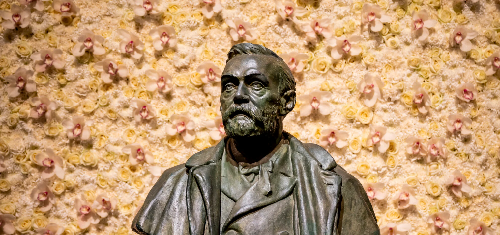
The core of Alfred Nobel’s vision was the belief that committed individuals can make a difference. In awarding this year’s Nobel Peace Prize to Nihon Hidankyo, the Norwegian Nobel Committee wishes to honour all survivors who, despite physical suffering and painful memories, have chosen to use their costly experience to cultivate hope and engagement for peace.
Nihon Hidankyo has provided thousands of witness accounts, issued resolutions and public appeals, and sent annual delegations to the United Nations and a variety of peace conferences to remind the world of the pressing need for nuclear disarmament.
One day, the Hibakusha will no longer be among us as witnesses to history. But with a strong culture of remembrance and continued commitment, new generations in Japan are carrying forward the experience and the message of the witnesses. They are inspiring and educating people around the world. In this way they are helping to maintain the nuclear taboo – a precondition of a peaceful future for humanity.
The decision to award the Nobel Peace Prize for 2024 to Nihon Hidankyo is securely anchored in Alfred Nobel’s will. This year’s prize joins a distinguished list of Peace Prizes that the Committee has previously awarded to champions of nuclear disarmament and arms control.
The Nobel Peace Prize for 2024 fulfils Alfred Nobel’s desire to recognise efforts of the greatest benefit to humankind.