The rise of autocracy has become a defining challenge for modern democracies. Autocracy in the 21st century is an interconnected global phenomenon. What does it mean? It means autocracy doesn’t function in isolation now.
Nowadays, different autocracies are networked together and function through various mechanisms. Autocratic regimes, despite ideological differences, allied together to resist democratic values. For example, countries like China, Iran and Russia have common goals. Russia is a nationalist state, China is a communist state and Iran is a theocratic state.
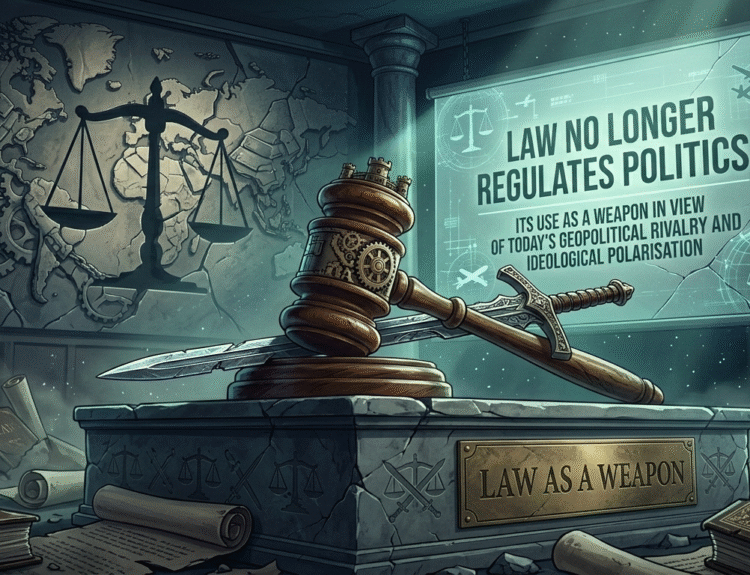
All these states differ in ideology but they have a common goal across the globe: to undermine the rule of law, an independent judiciary, independent media and human rights — which threaten their authority. These states not only suppress opposition within their borders but also go hand in hand in coordinating efforts to discredit the democratic allure on the global stage.
Autocracies work slowly and gradually. They penetrate the institutional setup in such a way that people fail to recognise the early signs of autocracy. For example, in Poland, the ruling party’s politicisation of the judiciary initially went unnoticed. Later on, when the judiciary directly impacted public life in matters of abortion rights and corruption scandals, people began to notice the impact. With time, it becomes difficult for citizens to mobilise against autocracy until the damage becomes severe.
The main idea of this piece is that today’s autocracy is more sophisticated. It relies on complex, sophisticated networks that blend kleptocracy, narrative control and global influence. Modern-day autocracies function like global corporations with shared interests. They support each other through businesses, transactions, exchanges, arms trade and cooperation through ideas. In the previous century, autocracies share ideals, as seen in figures like Hitler, Mussolini and Stalin. Nowadays, autocracies share ideas.
In the previous centuries, controlling land was an important tool to control enemies. In modern times, controlling information is a new tool for hegemony, power and control over narratives. Once we all believed that technology would integrate more societies and eventually democracy would prevail. But at the same time, we come to know how certain big autocratic powers can tame technology to stifle dissent and manipulate public opinion.
Autocratic governments have developed sophisticated networks of controlling information, using both propaganda and cutting-edge technology to maintain power, influence and control. An emerging superpower built a Great Firewall to block all kinds of internet access that were deemed threats to their regime. With time, the Great Firewall idea translated into the broader system of surveillance.
These surveillance systems are not just about controlling narratives, but also about predicting and preventing dissent before it happens. Overall, by leveraging technology and global influence networks, major autocratic powers have maintained clout at home and abroad — challenging democratic values.
Modern dictators and autocrats don’t use violence to promote themselves or control opponents. They use sophisticated smear campaigns that target ideas of democracy, as well as the people who promote those ideas. Autocrats don’t just discredit ideas of freedom and democracy. They chase the person who promotes them. They accuse activists of treason and foreign conspirators. They undermine their credibility to isolate them and then neutralise their campaigns for human rights.
Moreover, autocracies pass such laws that ban NGOs and civic organisations. Once again, modern technology — social media, once seen as a liberating force — is now a battleground where state-sponsored campaigns, and bots work to harass activists and crush political campaigns. In short, modern autocracies use more sophisticated technology, interconnected networks and disinformation to undermine democracy globally.
—
The writer is a UET graduate and holds Master’s degrees from Sargodha University and Allama Iqbal Open University Islamabad. He can be contacted at wajahatsultan6@gmail.com