

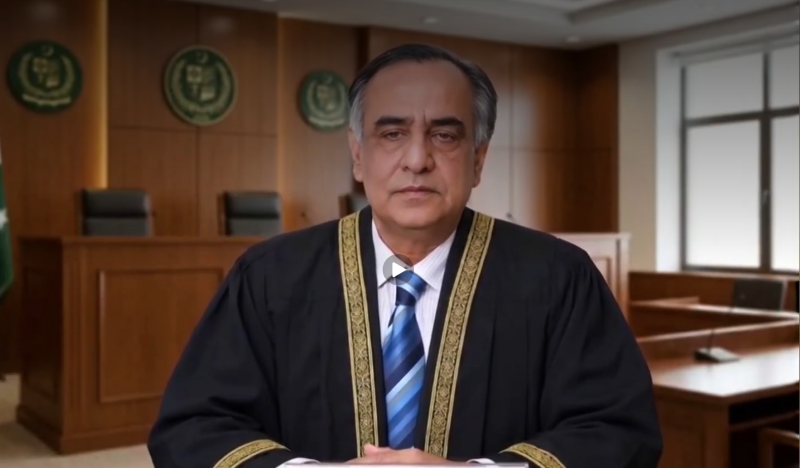
ISLAMABAD: The Federal Tax Ombudsman (FTO) issued directives to the Federal Board of Revenue (FBR) on the other day to ensure that field formations implement Ombudsman office recommendations in letter and spirit.
The directive were issued in response to a complaint of DEL Projects Private Limited against the Secretary, Revenue Division, Islamabad to implement the FTO’ earlier order. The hearing examined how the tax department handled the company’s refund claim after the Ombudsman had ordered its disposal within 60 days.
According to the order issued by Federal Tax Ombudsman M. Zafar ul Haq Hijazi, the complaint was originally filed over delays in processing the company’s refund claim. The Ombudsman had issued recommendations on June 10, 2026, directing the department to dispose of the claim within 60 days.
Appearing before the FTO during the implementation hearing, the complainant’s representative informed the Ombudsman’s office that the department had not implemented these recommendations. He apprised the Office that instead, the department passed an amended assessment order on June 30, 2026, under Section 122(1) of the Income Tax Ordinance, 2001. The Commissioner Inland Revenue confirmed that this order had been issued.
The complainant argued that the information cited by the department as fresh grounds for the amended order had already been examined during earlier assessment proceedings. The department disputed this claim. The Ombudsman’s office stated that it would not comment on the legality of the amended order or on whether the department’s grounds for reopening the case were valid, noting that such questions fall within the jurisdiction of statutory appellate forums rather than the Ombudsman.
The order noted that the case record showed recurring periods of inactivity followed by sudden administrative action at critical stages, both on the department’s part and in the complainant’s pursuit of the refund. While it declined to draw adverse conclusions from this pattern alone, the Ombudsman said it pointed to a need for greater diligence and consistency in handling tax matters.
The order stated that the department should have first disposed of the refund claim through a reasoned order in compliance with the Ombudsman’s recommendations, addressing any impact of new information, before separately pursuing its statutory powers under the Income Tax Ordinance. It said the two processes were not mutually exclusive and should have been handled in a coordinated manner.
The Ombudsman clarified that it had not exercised any power to suspend or interfere with the department’s proceedings under the Income Tax Ordinance, as such matters remain within the domain of statutory appellate authorities. It added that the credibility of the Ombudsman’s office depends on the timely and proper implementation of its recommendations by the tax administration.
The Ombudsman recommended that the FBR issue administrative instructions to all field formations to implement its recommendations promptly and in their true spirit. It further recommended that, where new developments necessitate proceedings under the Income Tax Ordinance after recommendations are issued, officers ensure implementation is addressed through a proper order alongside such proceedings.
The FBR was also asked to review the administrative handling of the case, particularly the pattern of delayed action near the close of the financial year, and to consider issuing a Standard Operating Procedure (SOP) for coordinating future cases of this nature.
Later, the complainant was allowed to pursue any statutory remedies available against the amended assessment order of June 30, 2026, under the Income Tax Ordinance. The complaint was disposed of on these terms.