RAWALPINDI: While authoring the 16-page verdict in a matter relating to a multi-million-rupee sales tax demand, Justice Jawad Hassan of the Lahore High Court ruled that the Punjab Revenue Authority (PRA) lacks jurisdiction over services linked to Foundation Wind Energy-II’s power operations in Sindh.
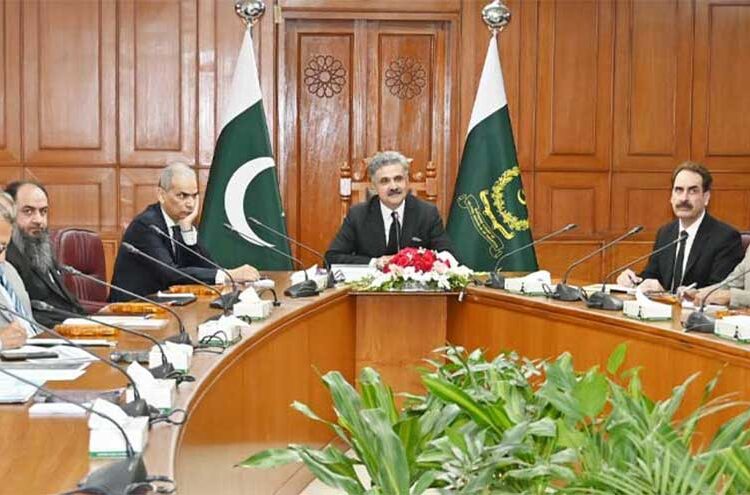
A division bench of the LHC, comprising Justice Jawad Hassan and Justice Mirza Viqas Rauf, quashed the proceedings initiated by the PRA and set aside a substantial sales tax demand of over Rs488 million against Foundation Wind Energy-II, which is operating from Sindh.
This ruling clarifies the boundaries of provincial tax jurisdiction, establishing that the territorial nexus of a taxable event is the essential foundation for any provincial tax authority’s jurisdiction. Foundation Wind Energy-II (FEW-II) has invoked the jurisdiction of the LHC in January 2026 after the PRA attempted to recover unpaid sales tax from the company for services allegedly received during the tax period between July 1, 2014, and June 30, 2015.
According to details, the tax authority issued a show-cause notice on June 15, 2016, alleging that the wind company failed to withhold and deposit Punjab Sales Tax on payments amounting to over Rs3.05 billion made to various contractors.
The FEW-II maintains a registered office in Rawalpindi whereas operates its wind power project entirely within the Province of Sindh. The main legal issue revolved around whether the PRA competent to tax services that were rendered and consumed entirely within Sindh. The PRA’s counsel argued that because the company maintained a registered office in Rawalpindi and was classified as a resident of Punjab, it was automatically amenable to the authority’s jurisdiction and liable as a withholding agent.
However, the Court found this approach to be a clear misreading of the statutory scheme, emphasizing that mere residency or the presence of a registered office does not, by itself, create a substantive tax liability for activities occurring in another province. During the proceedings, the Bench addressed a critical procedural error regarding the capacity in which the company was being charged. It was determined that FEW-II was a recipient of services rather than a service provider.
The Bench clarified that the Punjab Sales Tax on Services Act, 2012, does not contain express provisions authorizing recovery proceedings under Section 52 against a recipient of services acting as a withholding agent for tax that was not levied or was short-levied. The Bench pointed out that tax liability under the Act is fastened exclusively upon registered persons providing taxable services. In its final determination, the Bench ruled that the show-cause notice was issued without a legal foundation because subordinate legislation, such as the Withholding Rules, 2015, cannot enlarge or create a substantive tax liability not contemplated by the parent statute.
The Bench also highlighted that the PRA failed to observe mandatory procedural steps by invoking recovery clauses under Section 52(3) before fulfilling the requirement of issuing a proper show-cause notice under Section 52(1). By allowing the reference application, the Bench quashed original assessment, the show-cause notice, and the Appellate Tribunal’s order dated February 25, 2025, reinforcing that provincial tax authorities must operate strictly within their territorial and statutory limits.