Is the general election this time any different from previous ones? Or is it more of the same? There are several significant similarities with past polls. The same parties are contesting – some reincarnations of older ones while others cobbled together by defectors from another party.
They are led by the same political figures. Many contestants running as independents are familiar names. The establishment’s ubiquitous role is no different from the past. Its interventions to limit the electoral chances of one political party mimics the past; this time it is PTI; in the last election it was PML-N. The issueless character of the election campaign is also not new.
But there are also several departures from the past which have been obscured in much of the commentary about the elections. For a start, the polls are taking place against the backdrop of the most serious economic crisis the country has ever faced. This itself is distinct from the past as it has involved far-reaching repercussions for people, in the form of a cost-of-living crisis, rising unemployment and increased poverty.
This has come on the back of continuing power shortages across the country with gas ‘load-shedding’ being even more frequent this winter season. These are all drivers of public discontent. It is yet to be seen how this will manifest itself at the ballot box and who voters will attribute their economic plight to.
A second difference is the intensely polarised atmosphere in which the election is taking place. Polarised politics is of course not new. But the extent of polarisation today is unprecedented, dividing people and society along intensely partisan lines. There is much less tolerance than in the past for political opponents, while a toxic quality has been injected into the political conversation and debased what passes for debate.
Three, and perhaps the most visible break from the past, is the subdued nature of the election campaign that is in progress. This is somewhat paradoxical, given the deep polarisation in the country. But it is partially explained by the restrictions placed on one of the parties. Missing is the festive atmosphere and public fervour that usually characterises the run-up to elections.
This is also reflected in one of the findings of the most current public opinion survey conducted by Gallup & Gilani Pakistan this month, in which 44 per cent of Pakistanis said they had not seen any banners, flags or posters of political parties in their neighbourhoods and localities. The survey also found that only one in five Pakistanis said they have been canvassed by party candidates, members or activists in door-to-door efforts to seek votes for their party.
The media too has been commenting that this is the most lacklustre election campaign in the country’s recent history. The fact that it is mostly devoid of policy issues however marks a continuity with the past. Two of the three major parties announced their manifestos less than two weeks before the election giving little time for meaningful debate on their respective programmes.Four, the greater role of social media in this election is arguably the most important distinction from the past. Its impact will be tested on polling day but for now it is being deployed by all major political parties with PTI’s digital media team being ahead of the game.
In fact, the undeclared curbs placed on the party, and being deprived of its election symbol by the Election Commission of Pakistan, forced it to resort even more to social media tools — X, Facebook, TikTok, Instagram, YouTube — as well as AI-driven chatbot to reach supporters and the public at large. The party has also used AI-generated speeches and an article in The Economist by Imran Khan. It has sought to hold virtual ‘rallies’ and fundraisers via online platforms.
In response to these digital efforts, the authorities began to shut down social media from time to time and orchestrated internet ‘outages’ that they ascribed to technical reasons. Whether social media electioneering will make a significant difference to voting behaviour — and turnout — will be clear on polling day, but its greater use is certainly a ‘first’.
The fifth difference from past elections is the record number of independents contesting the election both for national and provincial assemblies — the highest in Pakistan’s electoral history. The number of independents in the contest for 266 general NA seats is 3,205. That’s over 60pc of candidates vying for seats in the Lower House.
For the provincial assemblies 8,341 independent aspirants are in the run, which is twice the number of candidates fielded by political parties. These figures include PTI-affiliated candidates as they are unable to contest as party candidates by the loss of their election symbol; there being no PTI name or symbol on the ballot paper.
This could be consequential for government formation later especially as no party is expected to win an overall majority and will need allies for a coalition government. Independent candidates can join another party without any legal constraint and of course be enlisted to be part of a coalition arrangement.
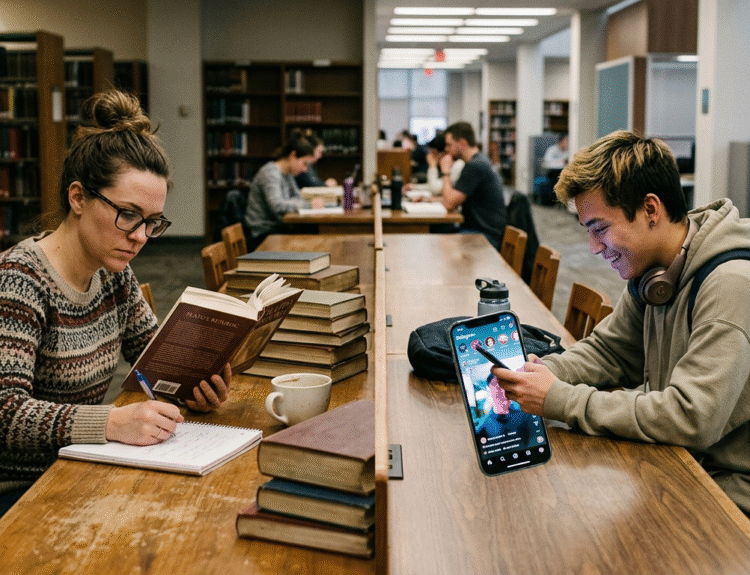
The higher number of young voters is another distinguishing factor. The youth bulge among voters obviously reflects the youthful structure of the country’s population. Young voters have increased to almost 57 million now from 46.43m 2018. That’s over 44pc of the electorate.
If they come out in large numbers to vote they could be a game changer in shaping the outcome, especially if they have a strong preference for a particular party. Being tech-savvy, younger voters are also more likely to be influenced by narratives of the political party that is adept at using social media tools.
When taken together, all these factors inject a degree of uncertainty and unpredictability into the electoral outcome. This despite the conventional wisdom that the result can easily be forecast and is in fact already known.
– The writer is a former ambassador to the US, UK and UN.