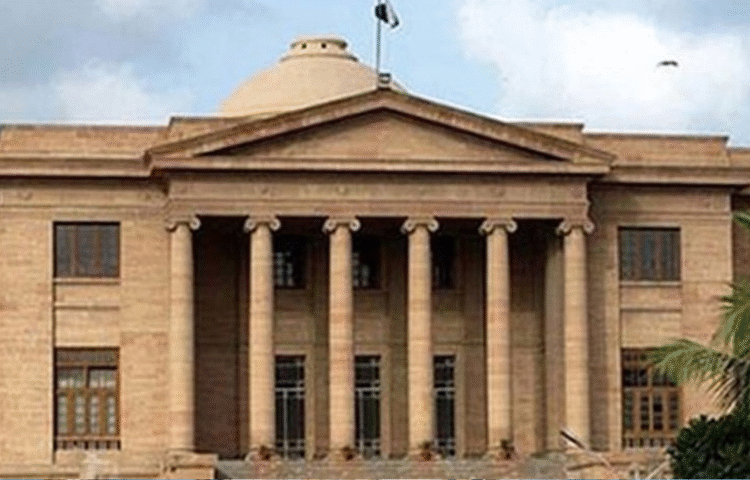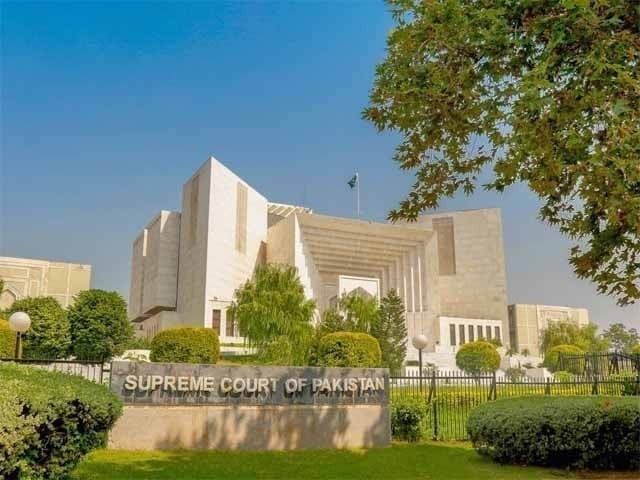
While pronouncing verdict in a matter relating to reserved seats of women and minorities to Pakistan Tehreek-e-Insaf on Friday the top court overturned Peshawar High Court (PHC) decision saying the Pakistan Tehreek-e- Insaf (PTI) shall be entitled to reserved seats in National and Provincial assemblies.
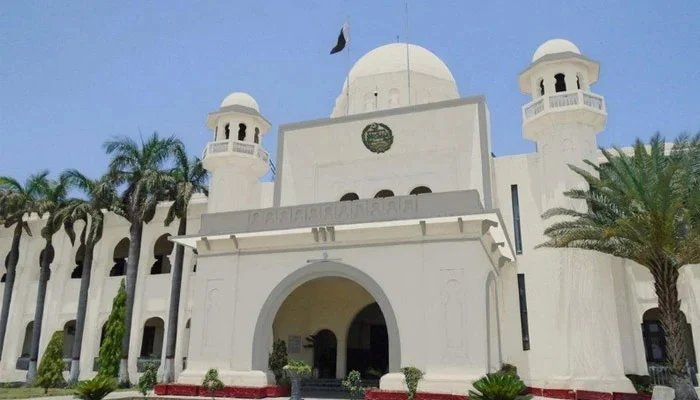
The Sunni Ittehad Council (SIC), comprising PTI-backed lawmakers, has challenged the PHC’s March 14 order that deprived the party of reserved seats. The PHC through its verdict dashed the PTI’s hopes of getting reserved seats as it dismissed the SIC’s petition challenging the Election Commission of Pakistan’s (ECP) ruling that denied reserved seats to the party.
Soon after the Supreme Court (SC) announced verdict in the matter, Rana Sanaullah – advisor to Prime Minister Shahbaz Sharif while addressing a press conference criticized the top court decision terming the verdict as like rewriting the Constitution. BBC Urdu cited Rana saying the decisions which are beyond understanding are never in the interest of the country. According to him, the members who would be de-seated as a result of the top court decision can invoke the SC jurisdiction through review petitions.
According to BBC Urdu, Federal law minister Azim Nazir Tarar expressed during a press conference saying the SIC had claimed whereas relief was given to the PTI in the matter which he said was not party in the case. Claiming the SC ‘s decision on reserved seats as a matter of choice, Tarar informed that after consulting the political parties, they will decide the next legal plan of action.
Announcing a five-page short order in the matter on Friday the top court in its majority 8-5 decision termed the conduct of Election Commission of Pakistan (ECP) in reserved seats matter as ‘unconstitutional’, saying the PTI would remain intact as a political party even without being assigned an election symbol.
As many as eights judges of the full court who were hearing appeals against the PHC verdict in the matter including Justices Syed Mansoor Ali Shah, Munib Akhtar, Muhammad Ali Mazhar, Ayesha A. Malik, Athar Minallah, Syed Hasan Azhar Rizvi, Shahid Waheed and Irfan Saadat Khan have decided the appeals in favour of the PTI.
Justice Mansoor Ali Shah announced the 8-5 majority verdict, nullifying the PHC order wherein it had upheld the ECP decision denying the reserved seats to the SIC. The full bench, led by Chief Justice of Pakistan (CJP) Qazi Faez Isa, comprises Justice Syed Mansoor Ali Shah, Justice Akhtar, Justice Yahya Afridi, Justice Amin-ud-Din Khan, Justice Jamal Khan Mandokhail, Justice Mazhar, Justice Minallah, Justice Syed Rizvi, Justice Malik, Justice Waheed, Justice Saadat, and Justice Naeem Akhtar Afghan.
According to the verdict copy of which available with TLTP, all the eight Justices issued directives to the PTI to file list of its candidates for reserved seats in National and provincial assemblies before the ECP within 15 working days saying, “The PTI shall be entitled to reserved seats for women and minorities in the National Assembly accordingly. The PTI shall, within 15 working days of this Order file its lists of candidates for the said reserved seats and the provisions of the Elections Act, 2017 and the Elections Rules, 2017 (Rules) shall be applied to such lists in such manner as gives effect to this Order in full measure”.
The 8 Justices also said in the order, “In case the Commission or PTI need any clarification or order so as to give effect to this para in full measure, it shall forthwith apply to the Court by making an appropriate application, which shall be put up before the Judges constituting the majority in chambers for such orders and directions as may be deemed appropriate”.