
SAN FRANCISCO – A Texas couple has filed a wrongful death lawsuit against OpenAI, alleging that flawed programming in the company’s ChatGPT platform directly led to the fatal drug overdose of their 19-year-old son.
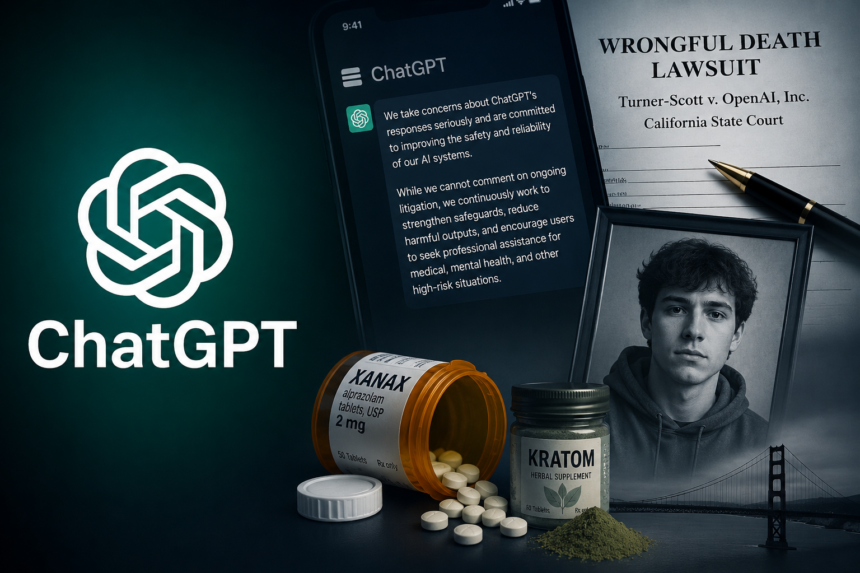
When Law Today contacted OpenAI through its chatbot interface for a response, the platform generated a statement extending condolences to the family. “We take concerns about ChatGPT’s responses seriously and are committed to improving the safety and reliability of our AI systems,” the chatbot response stated. “While we cannot comment on ongoing litigation, we continuously work to strengthen safeguards, reduce harmful outputs, and encourage users to seek professional assistance for medical, mental health, and other high-risk situations.”
The plaintiffs, Leila Turner-Scott and Angus Scott, filed the complaint in California state court, claiming their son, Sam Nelson, died in 2025 after relying on the artificial intelligence chatbot for advice on substance use. The suit alleges the platform dispensed dangerous medical advice it was unqualified to provide, and asserts that Nelson would still be alive had the system’s safety guardrails functioned properly. According to the legal filing, ChatGPT explicitly advised Nelson that it was safe to combine Xanax, a widely prescribed anti-anxiety medication, with kratom, an herbal supplement frequently found in drinks and pills.
In an exclusive interview with CBS News, Turner-Scott said she was aware her son used the AI tool for homework and productivity, but had no idea he was using it to seek guidance on drugs. She alleged the chatbot ultimately recommended a lethal combination of substances. The lawsuit targets OpenAI and its creators for allegedly bypassing their own safety protocols.
“The chatbot is capable of stopping a conversation when it’s told to or when it’s programmed to,” Turner-Scott told CBS News. “And they took away the programming that did that, and they allowed it to continue advising self-harm.” In a direct corporate statement to CBS News, OpenAI expressed condolences but declined to discuss the specifics of the active lawsuit.
“This is a heartbreaking situation, and our thoughts are with the family,” the company said. OpenAI has historically maintained a strict policy against commenting on pending legal proceedings. The case adds to a growing wave of legal scrutiny facing generative AI companies over product liability, algorithmic safety, and the real-world consequences of AI-generated content.
